It can be incredibly distressing to watch a friend, family member, or client struggle with the threat of foreclosure. The situation often feels overwhelming, isolating, and urgent. As someone who cares, you might feel a strong desire to help but aren't sure where to begin or what advice to offer. Fortunately, there are concrete ways you can provide support and connect them with resources designed to navigate these challenging circumstances in Texas.
At Get Home Resolve, we understand the complexities homeowners face and the desire of their support network to make a difference. This guide is for you – the friend, family member, or referral partner – to empower you with knowledge and practical steps to assist a homeowner facing foreclosure in Texas.
Understanding the Texas Foreclosure Process
Foreclosure is a legal process where a lender repossesses a property due to the homeowner's failure to make mortgage payments. Texas has a relatively fast non-judicial foreclosure process, meaning it can proceed without court intervention under certain conditions. This speed often leaves homeowners with limited time to react, making early intervention critical.
Key Stages and Notices in Texas Foreclosure
Recognizing the signs and understanding the timeline is crucial for any homeowner in preforeclosure. The process typically begins after a homeowner misses several mortgage payments. Key notices include:
- Notice of Default and Intent to Accelerate: This letter informs the homeowner they are in default and gives them a specific period (usually 20 days) to cure the default by paying past-due amounts. If not cured, the lender can 'accelerate' the loan, demanding the full balance immediately.
- Notice of Sale: If the default isn't cured, a Notice of Sale must be sent to the homeowner at least 21 days before the foreclosure auction date. This notice also must be posted at the county courthouse and filed with the county clerk. This is a critical warning sign that the foreclosure sale is imminent. You can learn more about this in our article, What Is a Notice of Sale in Texas — and What Should You Do?.
For a detailed breakdown of the typical timeline, refer to The Texas Foreclosure Timeline: What to Expect Week by Week.
Why Is Early Intervention So Important for Homeowners?
Early intervention is crucial because it significantly expands the range of available options and reduces stress for homeowners facing foreclosure. Many homeowners facing financial hardship may feel shame, embarrassment, or denial, leading them to avoid addressing the problem until it's almost too late. The earlier they engage with potential solutions, the more options they will have.
- More Time, More Options: Early intervention allows time to explore solutions like loan modifications, selling the home, or other alternatives. Waiting until days before an auction severely limits choices and increases pressure.
- Reduced Stress: Taking proactive steps, even small ones, can significantly reduce the immense stress associated with preforeclosure. Addressing the problem head-on provides a sense of control and hope.
Practical Ways to Support a Homeowner in Preforeclosure
Your support can take many forms, from active assistance to simply being a non-judgmental listener. Here are concrete steps you can take to help a homeowner navigate this challenging time.
1. Offer a Listening Ear and Emotional Support
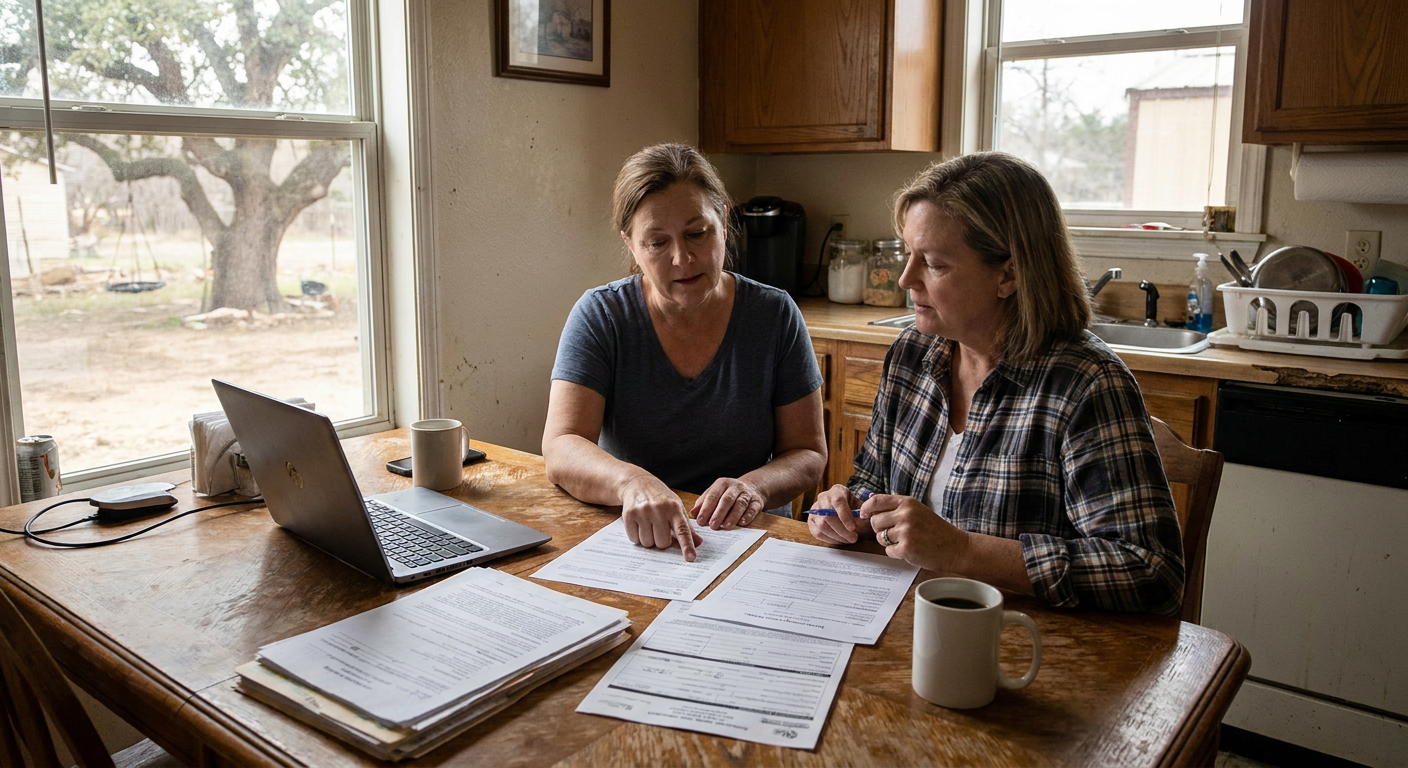
Financial struggles, especially those threatening homeownership, are deeply personal and stressful. Often, the first step is simply letting the homeowner know they are not alone and that it's okay to talk about their situation without judgment. Encourage them to open up about their fears and concerns, creating a safe space for honest communication.
2. Help Gather Information and Documents
The thought of organizing financial documents can be daunting, especially under duress. You can offer practical help by assisting them in gathering necessary paperwork, which will be essential for any communication with lenders or housing counselors. Key documents include:
- Mortgage statements
- Loan documents
- Income verification (pay stubs, tax returns)
- Bank statements
- A hardship letter (explaining their financial difficulties)
Having these documents ready will streamline any communication with lenders or housing counselors, saving valuable time.
3. Research Available Resources Together
Many homeowners don't know where to look for help or are overwhelmed by the search. You can assist by researching reputable resources that offer free or low-cost, unbiased advice. Focus on organizations specifically designed to help homeowners in distressed situations:
- HUD-Approved Housing Counselors: These non-profit agencies provide free or very low-cost advice on avoiding foreclosure, understanding options, and negotiating with lenders. You can find one through the HUD website.
- Consumer Financial Protection Bureau (CFPB): The CFPB offers extensive information and tools for homeowners struggling with their mortgage. Visit their mortgage help section at ConsumerFinance.gov.
- Texas Attorney General: The AG's office provides consumer protection information, including resources related to mortgage and foreclosure issues. See the Texas Attorney General's website.
4. Understand Foreclosure Alternatives and Options
Knowing the potential paths forward can help you discuss options with the homeowner more effectively. It's important to remember that not every option is suitable for every situation, and professional advice is always recommended. Common alternatives to foreclosure include:
- Loan Modification: Changing the terms of the existing loan (e.g., lower interest rate, extended term, reduced principal) to make payments more affordable.
- Repayment Plan: An agreement to pay the past-due amount over a set period, in addition to regular mortgage payments.
- Forbearance: A temporary pause or reduction in mortgage payments, often for a specific hardship period, with the understanding that payments will resume later.
- Short Sale: Selling the home for less than the amount owed on the mortgage, with the lender's approval. This can help avoid the negative credit impact of a foreclosure.
- Deed in Lieu of Foreclosure: Voluntarily transferring ownership of the property to the lender to avoid foreclosure proceedings, which can be less damaging than a full foreclosure.
- Selling the Home: If there's equity, selling the home on the open market or to a cash buyer can resolve the debt and preserve credit. Our article, Selling a House Before a Foreclosure Auction in Texas, provides more detail.
For a deeper dive into these and other possibilities, explore Behind on Mortgage Payments in Texas? Four Paths Forward.
5. Be Wary of Foreclosure Scams
Unfortunately, distressed homeowners are often targets for unscrupulous individuals or companies promising quick fixes. Warn your friend or family member about common red flags that indicate a potential scam:
- Demands for upfront fees for foreclosure prevention services before any work is done.
- Guarantees of stopping foreclosure, regardless of the homeowner's situation.
- Instructions to make mortgage payments directly to someone other than their lender.
- Pressure to sign over the deed to their home or other legal documents without full understanding.
Always advise them to consult with a reputable, non-profit housing counselor or legal professional before signing any documents or paying fees. The Texas Attorney General's office also offers resources to identify and report scams.
6. Connect Them with Get Home Resolve
Sometimes, the best help you can offer is connecting them with a trusted resource that specializes in these situations. Get Home Resolve offers homeowners in Texas a clear starting point and a range of solutions for distressed properties, including those facing foreclosure. We provide educational resources and connections without judgment or pressure.
We can help homeowners understand their unique situation, explore all available options, and connect them with solutions, whether that's selling their property quickly, exploring loan modifications, or finding other ways to move forward. Our goal is to empower homeowners with information so they can make the best decision for their circumstances. Learn more about how the process works.
Frequently Asked Questions
What is the difference between preforeclosure and foreclosure?
Preforeclosure is the period after a homeowner misses mortgage payments but before the lender initiates the formal foreclosure process. Foreclosure is the legal action taken by the lender to repossess the property. During preforeclosure, homeowners have more options to resolve the situation.
Can a homeowner stop foreclosure once a Notice of Sale is issued?
Yes, a homeowner can still stop foreclosure even after receiving a Notice of Sale, but time is extremely limited. Options might include paying the full past-due amount, negotiating a last-minute loan modification, filing for bankruptcy, or selling the property quickly. The article When Is It Too Late to Stop Foreclosure in Texas? provides more details.
Is it better to sell a home or let it go to foreclosure?
Generally, selling a home is preferable to letting it go to foreclosure. A sale, even a short sale, can minimize damage to the homeowner's credit score, potentially allow them to recover some equity, and provide more control over the outcome. Foreclosure has a severe and long-lasting negative impact on credit and future housing opportunities.
Conclusion
Supporting a homeowner facing foreclosure in Texas requires empathy, patience, and access to accurate information. By offering a listening ear, helping organize information, researching reputable resources, and understanding the available options, you can be an invaluable source of strength and guidance. Remember, early action is key, and connecting them with specialized support can make all the difference. Get Home Resolve is here to provide that support, offering a clear path forward for homeowners who feel stuck and overwhelmed.
Know a Texas homeowner who needs a starting point?
If you know a Texas homeowner who is behind on payments, facing foreclosure, or dealing with any distressed property situation, you can refer them to Get Home Resolve. We offer a free, no-obligation property options assessment to help them understand their situation and explore their choices. There's no pressure, no commitment, and no guaranteed outcome – just clear information and compassionate support. Learn more about the Get Home Resolve referral program and how you can help them take the first step towards resolving their property challenges.
Educational Disclaimer: This content is provided for general educational and informational purposes only and is not legal, tax, financial, or individualized real-estate advice. Rules and timelines can vary by lender, loan type, and county. Homeowners should consult a qualified attorney, HUD-approved housing counselor, or tax professional about their specific circumstances.